

| Client | Nucleus Network |
| Project | Clinical Trial Facility with Pharmacy, Laboratory & Office Fit Out |
| Location | Melbourne |
| Principal Contractor | BIO Construct |
| Contract Type | Open Book |
| Build Year | 2016–2017 |
| Duration | 18 Months |
| Project Value | $3.5 Million |
| Contract Value | $3.5 Million |
| Project Type | Clinical Trial Facility with Pharmacy, Laboratory & Office Fit Out |
Business Overview
Nucleus Network is Australia’s leading clinical research organisation for the conduct of Early Phase Clinical Trials. Its people, facilities, consistent quality and problem-solving culture provide excellent service to global pharmaceutical and biotechnology companies. The organisation plays an instrumental role in bringing new medicines to the Australian market.
Project Scope & Responsibilities
BIO Construct have worked with Nucleus Network for many years, delivering projects under an open book cost-plus delivery model. This flexible arrangement has enabled Nucleus Network to continuously adapt its facilities to suit dynamic operational requirements while maintaining a fully operational clinical environment throughout the construction process.
As the principal contractor, BIO Construct managed all design coordination, construction activities and building services integration within the Nucleus Network facilities.
Our project scope included:
- Design coordination and documentation management
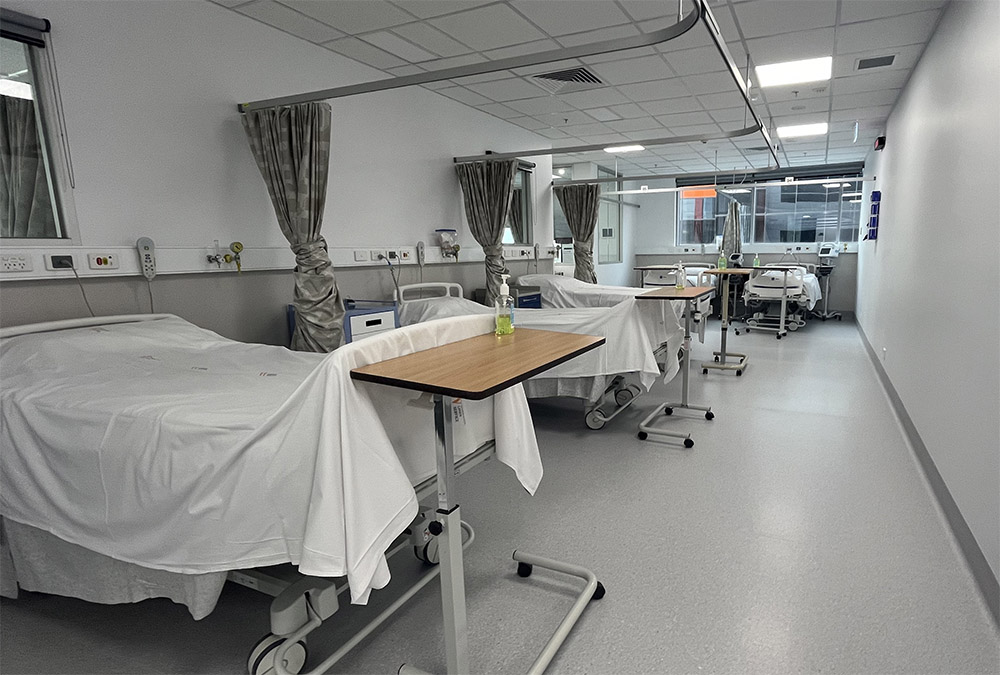
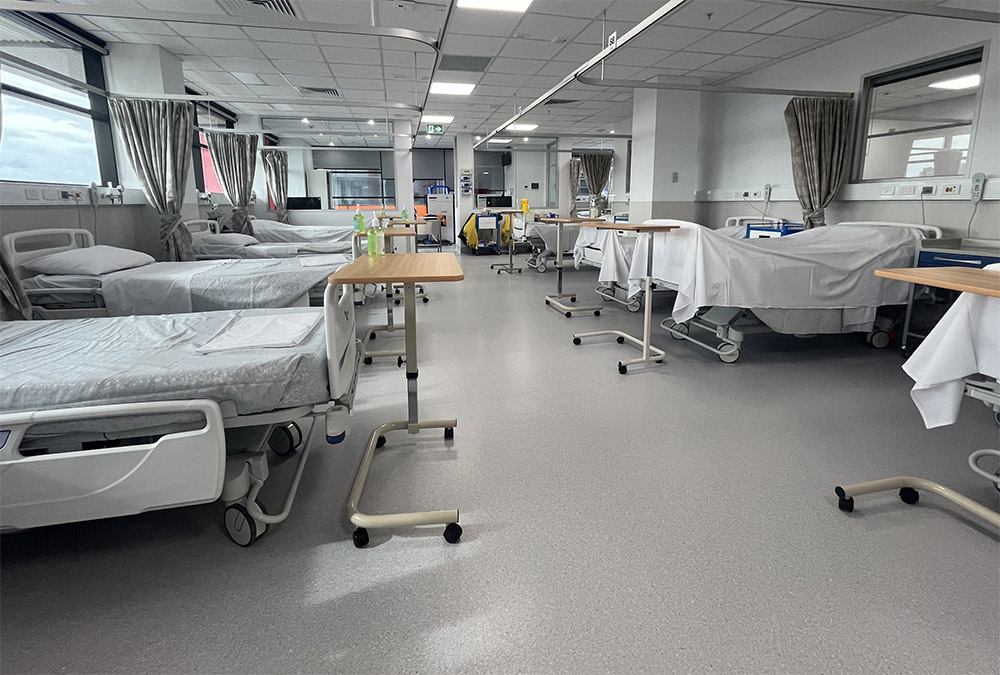
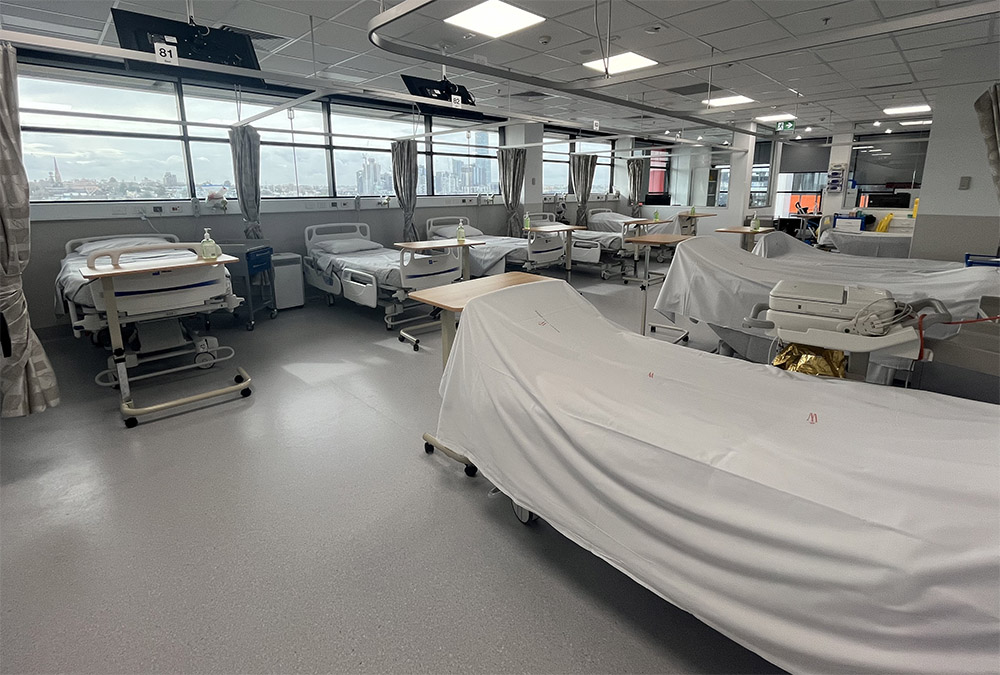
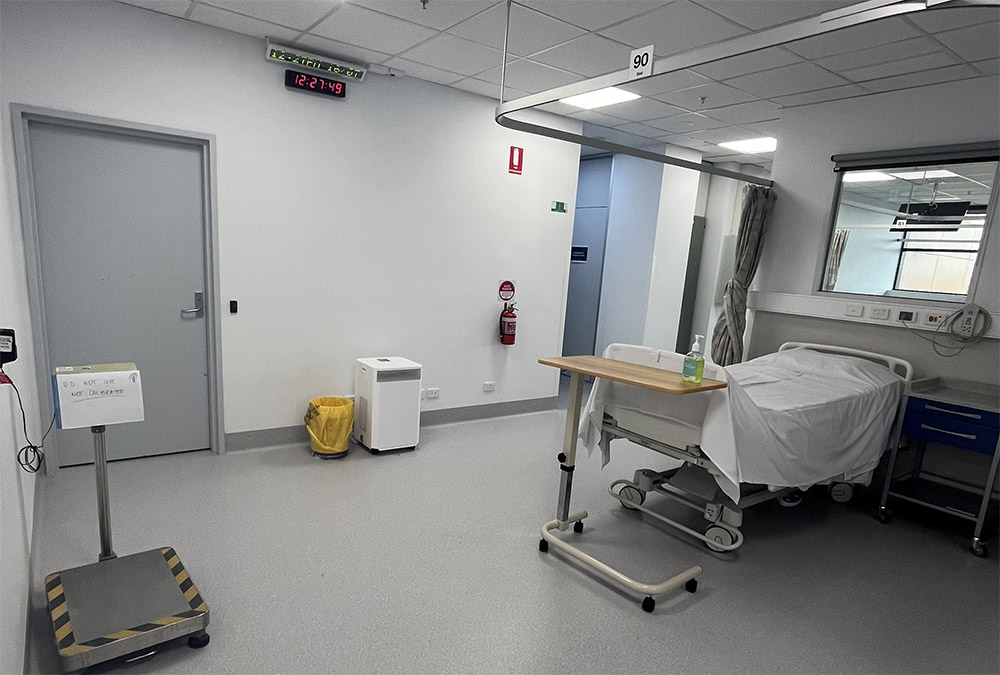
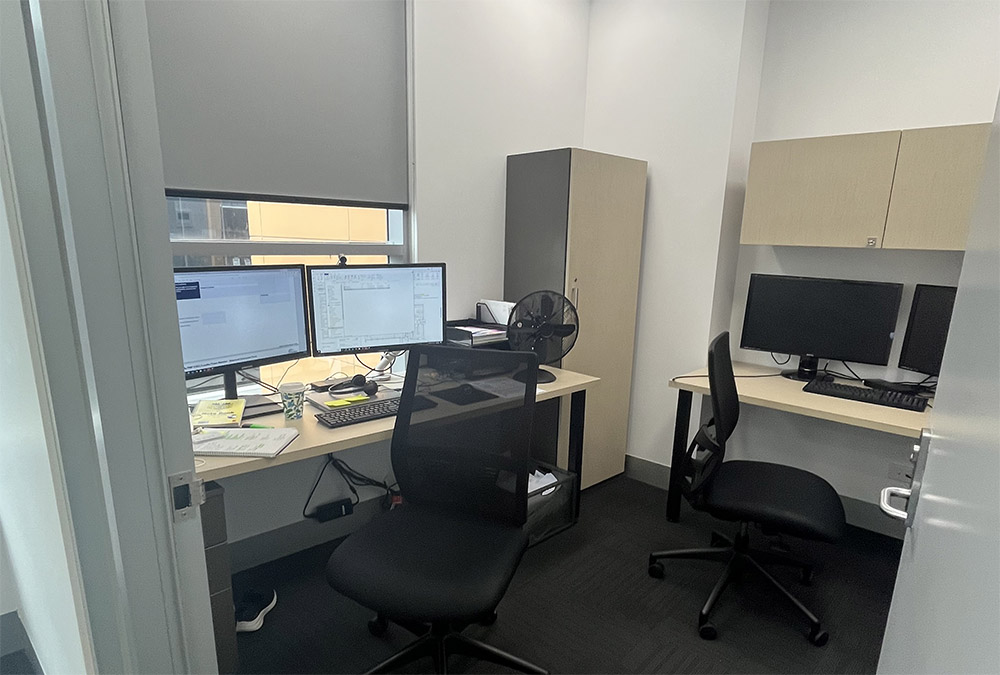
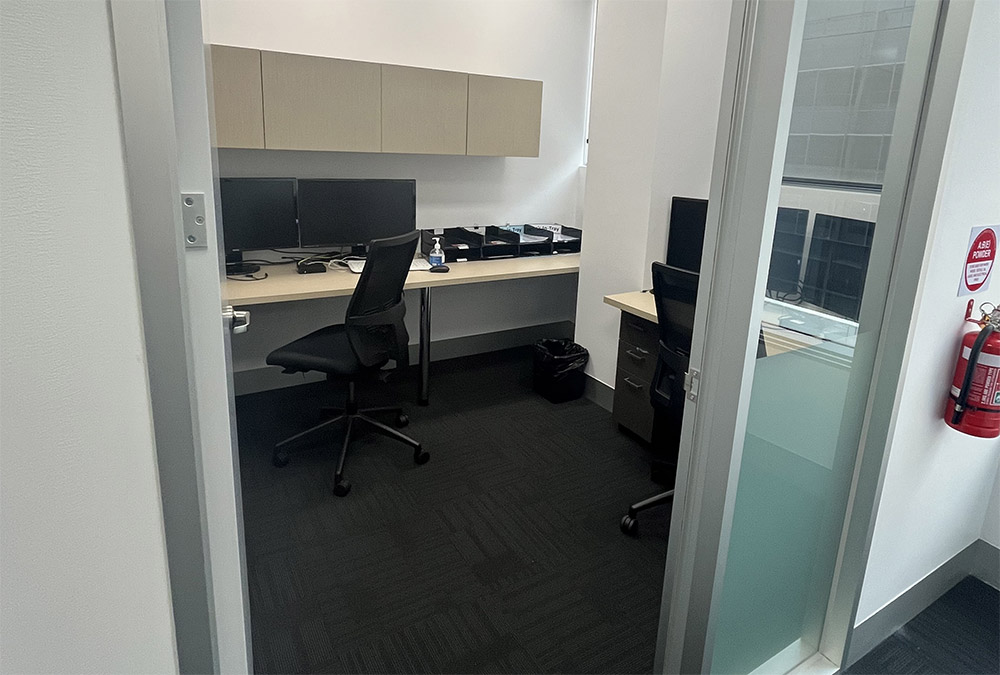
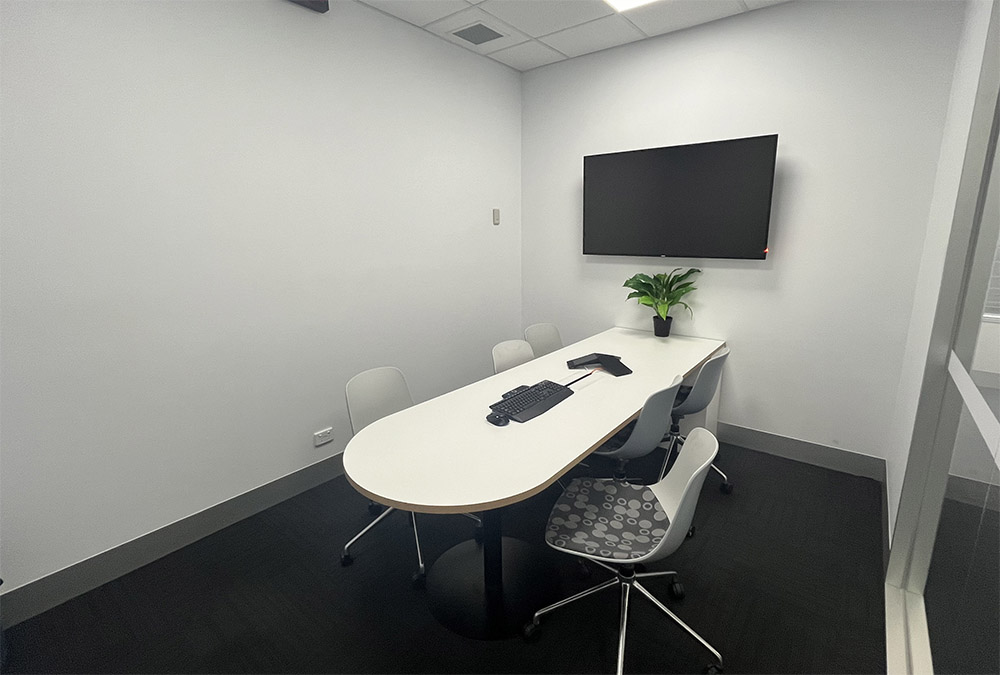
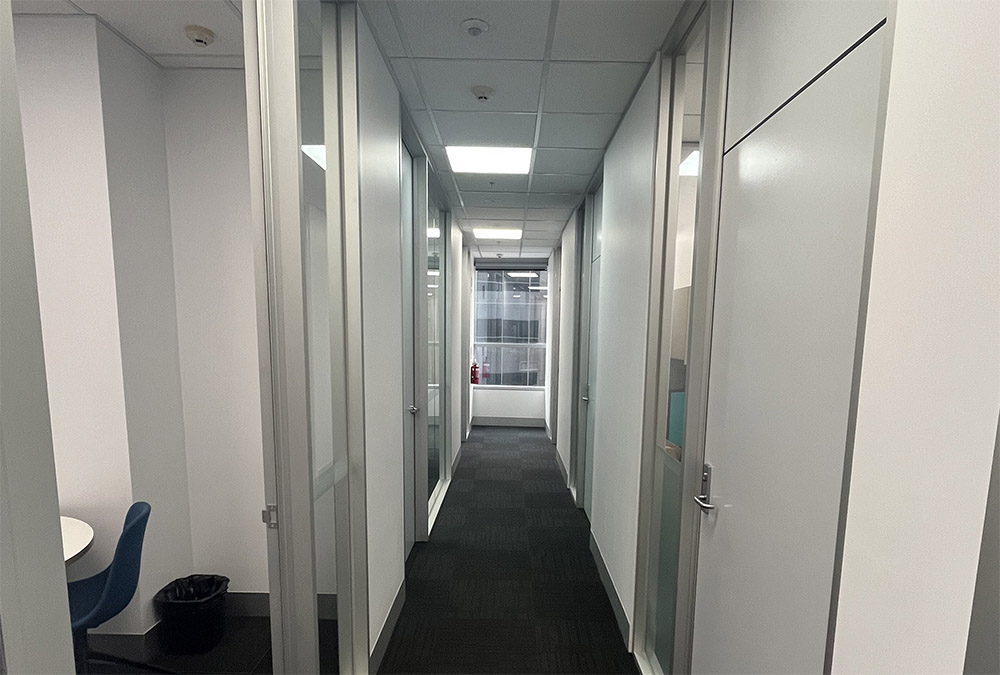
- Construction of clinical trial areas
- Pharmacy fit out
- Laboratory fit out
- Office fit out works
- Integration of mechanical, electrical and hydraulic services
- Ongoing staging to maintain full facility operation
Gallery
Key Highlights & Challenges
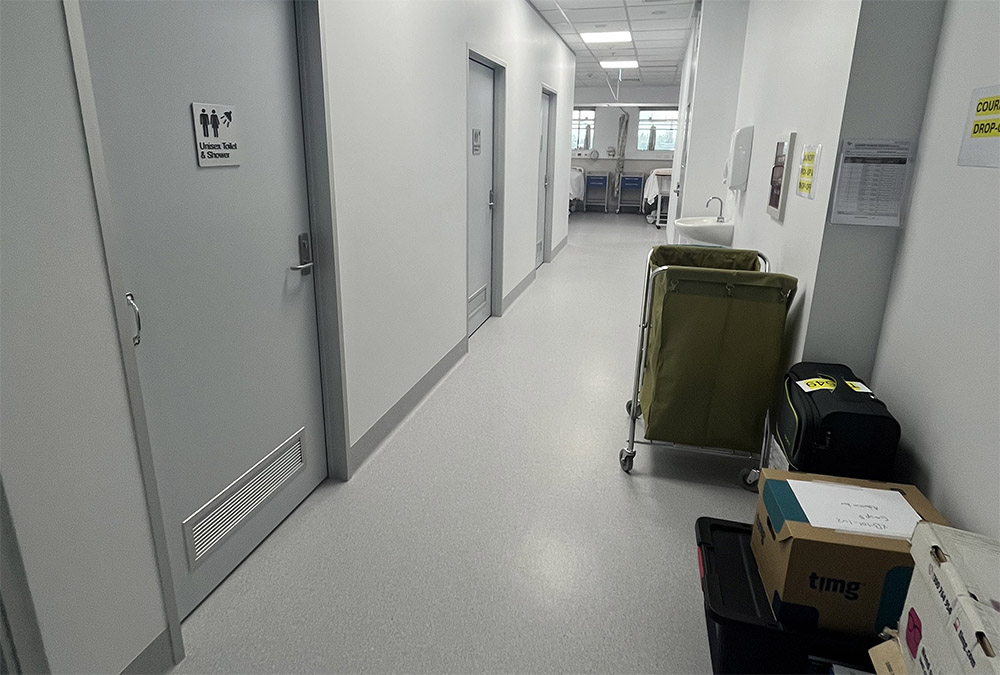
A significant challenge of this project was completing the works while keeping the Clinical Trials facility fully operational. This required close coordination with key stakeholders and hospital personnel to ensure patient safety, research integrity and uninterrupted daily operations.
Detailed weekly activity reports were issued to clearly communicate upcoming works, identify potential impacts and implement control measures in advance. This proactive communication framework ensured minimal disruption to the hospital’s clinical and research activities.